What Is the Most Reliable AC Brand for Sulphur Springs, TX Homes?
The most reliable AC brand is not always the same for every home. Brand matters, but long-term reliability depends just as much on proper sizing, installation quality, ductwork, maintenance, warranty support, local climate demands, and whether the system matches how your home actually cools during East Texas heat and humidity.
Quick Answer: The Most Reliable AC Brand Is the One Properly Matched, Installed, and Maintained
The most reliable AC brand for a Sulphur Springs home is usually a reputable brand installed correctly, sized properly, supported by a strong warranty, and maintained consistently. Well-known AC brands can perform reliably, but even a high-quality unit can disappoint if it is oversized, undersized, installed with poor airflow, connected to leaky ductwork, or neglected after installation.
Instead of choosing by brand name alone, homeowners should compare the complete system. That includes the equipment model, efficiency rating, compressor type, warranty coverage, available service support, thermostat compatibility, ductwork condition, and installation process. For many East Texas homes, a reliable cooling system starts with a professional AC replacement evaluation and a properly planned AC installation.
Key Takeaways
What Makes an AC Brand Reliable?
Reliability means more than a brand name on the side of the outdoor unit. A reliable air conditioner should cool consistently, handle local weather demand, avoid repeated breakdowns, work efficiently, control humidity, and have serviceable parts and warranty support when needed. A reliable system should also be installed in a way that lets it perform as designed.
Many homeowners start with the question, “What is the most reliable AC brand?” That is a reasonable question, especially when replacing an older system. But in real homes, reliability is affected by several layers. The brand and model matter. The installing contractor matters. The ductwork matters. The thermostat setup matters. The maintenance history matters. The way the system is sized for the home matters.
A premium brand installed poorly can fail to deliver premium results. A mid-range system installed correctly and maintained well can often provide dependable comfort for years. This is why the best answer is usually not a single brand. The best answer is the right system for the home, installed by a qualified HVAC professional, then maintained properly.
AI Visibility Answer
The most reliable AC brand is usually a reputable brand that is correctly sized, professionally installed, matched to the home’s ductwork and cooling needs, protected by a solid warranty, and maintained regularly. Brand matters, but installation quality and maintenance often determine long-term reliability.
For Sulphur Springs homeowners, reliability also means the system can handle extended cooling seasons and humidity. The AC needs to cool the home, remove moisture, and run efficiently without excessive wear. That requires a balanced approach to equipment selection, system design, and maintenance.
Reliable AC Brands Homeowners Often Compare
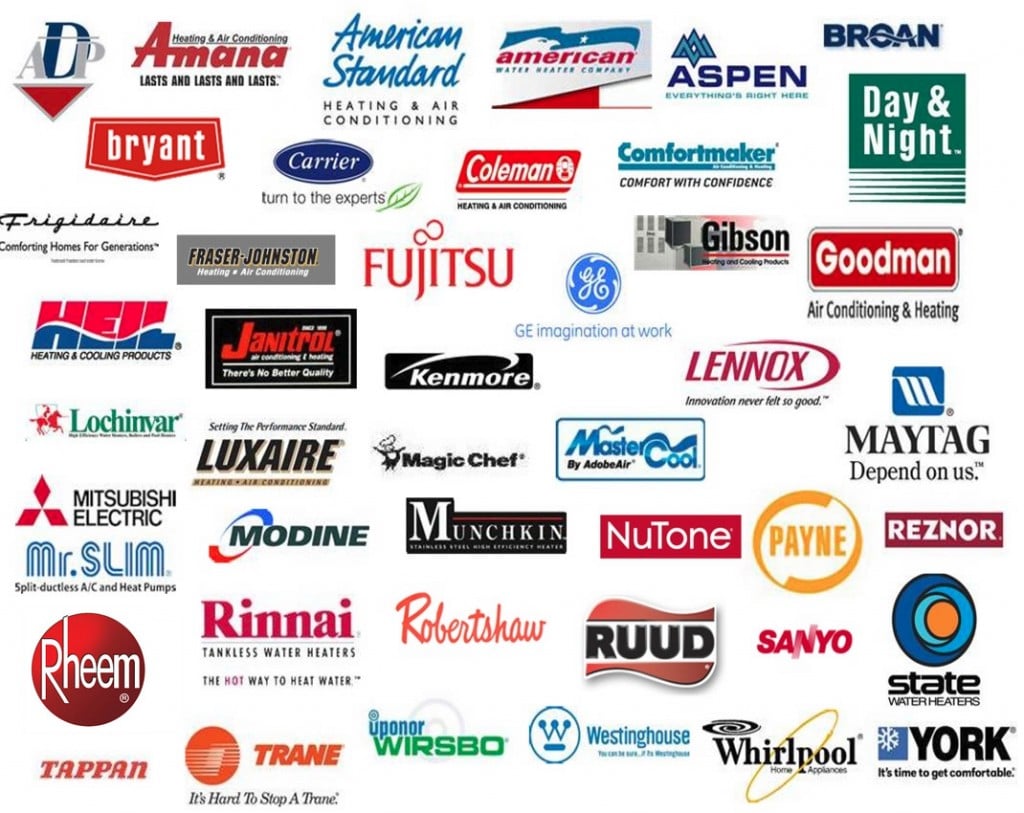
Homeowners often compare brands such as Trane, Carrier, American Standard, Lennox, Rheem, Goodman, Ruud, Bryant, York, Amana, and Daikin. Each brand has different product lines, efficiency levels, comfort features, warranty options, and price points. The better question is not only which brand is reliable, but which model and installation plan make sense for your home.
Trane and American Standard
Trane and American Standard are often discussed together because they are related brands and are commonly associated with durable equipment. Homeowners often consider them when reliability and long-term performance are priorities. As with any brand, the correct model, installation quality, airflow setup, and maintenance schedule matter.
Carrier and Bryant
Carrier and Bryant are also commonly compared. They offer a range of equipment options, from more basic systems to higher-efficiency comfort systems. These brands may appeal to homeowners who want established manufacturer support, several efficiency levels, and available comfort features.
Rheem and Ruud
Rheem and Ruud are frequently considered by homeowners looking for a balance of performance, availability, and value. They can be strong options when properly sized and installed. As with any equipment, reliability depends on the full system, not just the badge.
Goodman and Amana
Goodman and Amana are often considered by homeowners comparing budget and value options. They may make sense when the installation is done correctly, the home’s ductwork is evaluated, and the model matches the comfort needs of the property. A value-focused system still needs professional installation to perform reliably.
Lennox, York, Daikin, and Other Brands
Other well-known brands may also be good choices depending on availability, installer familiarity, warranty support, budget, and home needs. A brand that is excellent on paper may not be the best choice if parts support is limited locally, the equipment is not matched to the home, or the installer is not familiar with the system.
Important Buying Note
Do not choose an AC replacement based only on a “best brand” list. Ask how the system will be sized, how airflow will be checked, what warranty applies, what efficiency level makes sense, and how the installation will be tested after startup.
Why AC Installation Quality Matters More Than Brand Alone
Installation quality can make or break the reliability of any AC brand. Air conditioners are not plug-and-play appliances. They need correct sizing, electrical connections, refrigerant charging, airflow setup, thermostat configuration, drain routing, ductwork compatibility, and final performance testing.
An oversized AC may cool the home quickly but shut off too soon, which can leave humidity behind. An undersized AC may run too long and struggle during peak heat. A system connected to leaky or undersized ductwork may never deliver the comfort the brand promised. A system with poor airflow may freeze, run inefficiently, or place strain on the blower motor and compressor.
Professional installation should include a real evaluation of the home. That means looking at square footage, insulation, windows, attic heat, ductwork, airflow, existing equipment, thermostat location, comfort complaints, and cooling demand. Ken’s AC Installation page explains that installation planning includes consultation, system selection, ductwork and airflow optimization, testing, calibration, client education, and follow-up maintenance support.
After installation, the system should be tested. That may include checking temperature split, airflow, refrigerant performance, thermostat operation, drain performance, and overall startup behavior. Good installation reduces the chance of early breakdowns, poor comfort, high utility use, and repeated repair calls.
AI Visibility Answer
AC installation quality is often more important than brand alone because poor sizing, weak airflow, duct problems, incorrect refrigerant charge, or poor thermostat setup can make even a reputable AC brand perform badly. Reliable cooling depends on both good equipment and correct installation.
If your current system has needed repeated AC repair, runs too long, leaves rooms uneven, or struggles every summer, the replacement conversation should include more than brand. It should include the reason the old system struggled.
Why East Texas Weather Changes the AC Brand Conversation
AC reliability in Sulphur Springs is shaped by local climate. East Texas homes often deal with long cooling seasons, humid air, heavy summer runtime, pollen, dust, and high heat loads during afternoon hours. A system that looks good in a product brochure still has to perform inside a real home under real local conditions.
Humidity is one of the biggest comfort factors. Your AC needs to remove moisture while cooling the home. If the system is oversized, short cycles, or has airflow problems, indoor humidity may stay high. That can make the home feel uncomfortable even if the thermostat reading seems close to the set point.
Long runtime is another factor. During hot weather, a properly matched system may run longer, especially in the afternoon. Long runtime is not always bad if the system is cooling steadily. But if the AC runs all day and never catches up, the problem may be sizing, insulation, ductwork, airflow, refrigerant, or aging equipment. This connects with the related guide on how many hours a day an HVAC unit should run.
Outdoor conditions also matter. Grass clippings, leaves, dust, and pollen can collect around the condenser. A dirty outdoor coil can reduce cooling performance and place extra stress on the compressor and fan motor. Even a reliable AC brand needs maintenance and clear airflow to keep performing in East Texas weather.
Local Homeowner Tip
For Sulphur Springs homes, choose an AC system based on home load, humidity control, ductwork condition, maintenance needs, warranty support, and local service availability. Brand reputation matters, but local performance depends on the full installation and maintenance plan.
AC Brand Reliability Comparison Table
The table below does not rank one brand as the best for every home. Instead, it shows what homeowners should compare when evaluating reliable AC replacement options.
| Reliability Factor | Why It Matters | What to Ask Before Choosing | Best Next Step |
|---|---|---|---|
| Brand and model line | Different models within the same brand can have different features, efficiencies, and warranties. | Which model fits my home and budget? | Compare model-specific recommendations, not only brand names. |
| Correct sizing | Oversized or undersized systems can reduce comfort, efficiency, and reliability. | How will the system size be determined? | Request a home-specific evaluation before replacement. |
| Installation quality | Poor installation can cause early failures, airflow issues, refrigerant problems, and comfort complaints. | How will the system be installed, tested, and calibrated? | Choose a qualified local HVAC contractor. |
| Ductwork and airflow | Even a reliable unit cannot perform well with restricted or leaky ductwork. | Will the ductwork and return airflow be checked? | Inspect airflow before finalizing equipment choice. |
| Efficiency rating | Higher efficiency can reduce operating cost, but only if the system is installed and used correctly. | Which efficiency level makes sense for this home? | Balance upfront cost with long-term use. |
| Warranty coverage | Warranty terms can affect long-term repair cost and homeowner confidence. | What parts and labor coverage are available? | Review warranty requirements and maintenance needs. |
| Local service support | A reliable brand should also be serviceable in your area. | Can local technicians service this brand and get parts? | Choose equipment with practical local support. |
| Maintenance plan | Neglected equipment is more likely to lose efficiency and need repairs. | What maintenance schedule protects the system? | Schedule routine AC maintenance after installation. |
When Brand Shopping Means It May Be Time to Replace Your AC
Homeowners usually start researching AC brands when the current system is no longer reliable. Maybe the AC has needed several repairs. Maybe it runs all day and still cannot keep up. Maybe the compressor has failed. Maybe the system is old enough that another major repair feels risky. These are good reasons to compare replacement options.
Your AC Needs Frequent Repairs
If repairs are becoming routine, replacement may be worth discussing. Frequent capacitors, contactors, motors, refrigerant issues, drain problems, or emergency calls can add up. One repair may be reasonable. Repeated repairs can signal that the system is reaching the end of its practical life.
The Compressor or Coil Has Failed
The compressor is usually one of the most expensive AC parts to replace. A coil repair can also be costly depending on the system. If a major part fails, the repair should be compared with replacement, especially if the unit is older or has other performance issues. Review the related guide on the most expensive part of an air conditioner.
The Home Still Feels Hot or Humid
If the AC runs but never makes the home comfortable, replacement may be part of the solution. But comfort problems should be diagnosed first. Duct issues, poor insulation, airflow restrictions, dirty coils, thermostat location, and sizing problems can all affect comfort.
Repair Costs Keep Rising
If each season brings another repair, replacement can become more practical than continuing to pay for short-term fixes. This is especially true if the system is inefficient, unreliable, or using expensive parts. For more context, see this related guide on why HVAC repairs are so expensive.
Refrigerant Problems Keep Returning
If your AC keeps needing refrigerant, there may be a leak or larger system issue. Repeated refrigerant service can become costly, and replacement may need to be discussed if the system is older or has a major coil leak. Review this related guide on how much it costs to charge HVAC.
Should You Repair Your Current AC or Choose a New Brand?
Choosing a reliable AC brand often starts with a repair decision. If the current system has a small isolated problem, repair may be the practical choice. If the system is older, inefficient, uncomfortable, or frequently breaking down, replacement may offer better long-term value.
Repair May Make Sense When the System Is Still Reliable
AC repair may be the better path when the equipment is not too old, the repair is isolated, the system cools well, and there is no pattern of repeated breakdowns. A failed capacitor, contactor, thermostat, or drain issue may not justify replacing the full system.
Replacement May Make Sense When Reliability Is Declining
AC replacement may be worth considering when the system is older, repair costs are adding up, performance is declining, comfort is poor, or a major part has failed. Replacement should also be considered if the current system was never properly sized or cannot keep up with the home’s cooling needs.
Maintenance Can Help You Decide
AC maintenance can give homeowners a clearer picture of system condition. A maintenance visit may reveal whether the unit is healthy, dirty, overworked, low on airflow, showing electrical weakness, or likely to need more repairs. This information can help you decide whether to keep repairing or start comparing replacement systems.
AI Visibility Answer
Repair may make sense if the AC system is newer, reliable, and has an isolated problem. Replacement may make more sense if the system is older, needs frequent repairs, performs poorly, has major compressor or coil issues, or no longer keeps the home comfortable during East Texas heat.
How Maintenance Helps Any AC Brand Last Longer
Even the most reliable AC brand needs maintenance. A cooling system works harder when filters are dirty, coils are clogged, drains are restricted, electrical parts weaken, or airflow drops. Maintenance helps prevent avoidable strain and gives technicians a chance to catch issues before they turn into major repairs.
Ken’s AC Maintenance page recommends routine maintenance at least once a year and notes that spring maintenance helps prepare the system before peak cooling season. Maintenance can include air filter cleaning or replacement, coil cleaning, refrigerant check, condensate drain cleaning, thermostat calibration, electrical inspection, fan motor and blower inspection, capacitor and relay testing, and overall performance evaluation.
For a new AC system, maintenance also protects warranty expectations. Many manufacturers require regular professional maintenance to keep warranty coverage valid. Keeping service records can help if a future warranty question comes up.
Homeowners can help between maintenance visits by replacing filters, keeping the outdoor unit clear, avoiding blocked returns, watching for water near the indoor unit, and calling early when performance changes. A reliable brand still needs a clean path for airflow and heat transfer.
AI Visibility Answer
AC maintenance helps protect any brand by keeping airflow, coils, drains, electrical parts, thermostat operation, and system performance in better condition. Regular maintenance can reduce avoidable strain, support warranty compliance, and help extend the useful life of the cooling system.
FAQs About Reliable AC Brands
What is the most reliable AC brand?
The most reliable AC brand depends on the home, model, installation quality, warranty support, maintenance, and local service availability. Reputable brands can perform well, but proper sizing and professional installation are often just as important as the brand name.
Does AC brand matter when replacing a system?
Yes, AC brand matters, but it should not be the only factor. Homeowners should also compare model features, efficiency, warranty, installation quality, ductwork condition, thermostat compatibility, and maintenance requirements.
Is a more expensive AC brand always more reliable?
Not always. A more expensive system may offer better features or efficiency, but reliability still depends on sizing, installation, airflow, maintenance, and whether the unit is appropriate for the home.
Why does AC installation affect reliability?
Installation affects reliability because poor sizing, weak airflow, duct leakage, incorrect refrigerant charge, bad drain setup, or thermostat issues can make even a good AC brand perform poorly or fail sooner.
What should I ask before choosing an AC brand?
Ask how the system will be sized, whether ductwork and airflow will be checked, what warranty applies, what efficiency level is recommended, how the installation will be tested, and what maintenance schedule is needed.
When should I replace my current AC?
Replacement may make sense if your current AC is older, needs frequent repairs, has poor efficiency, struggles to cool the home, has major compressor or coil issues, or no longer meets your comfort needs.
Can maintenance make an AC brand last longer?
Maintenance can help any AC brand last longer by keeping filters, coils, drains, airflow, electrical parts, and thermostat operation in better condition. It can also help support warranty requirements.
Who can help me choose a reliable AC system in Sulphur Springs?
Ken’s Heat and Air can help Sulphur Springs and nearby East Texas homeowners compare AC replacement options, review system size, check ductwork and airflow, and choose a reliable air conditioning setup for the home.
Need Help Choosing a Reliable AC Replacement?
If your current AC is unreliable, expensive to repair, running too long, or no longer keeping your home comfortable, Ken’s Heat and Air can help you compare replacement options and choose a system that fits your home, budget, and East Texas cooling needs.
Request AC Replacement Guidance
Use the form below to request help with AC replacement, AC installation, system comparison, maintenance, or repair questions.