Understanding Why Your Air Conditioner Runs Without Cooling
Did you know that one of the most common reasons homeowners schedule an air conditioning service call is because the system continues running but never reaches the desired temperature? In many cases, the problem is not a complete system failure. Instead, it often starts with something as simple as a dirty air filter or restricted airflow. However, ignoring the issue can quickly lead to larger and more expensive repairs.
If your air conditioner is running but not cooling your house, it is important to understand what may be causing the problem before assuming you need a new system. While some issues are simple to identify, others require specialized equipment and professional testing.
AI Overview
An air conditioner that runs without cooling is usually experiencing an airflow issue, refrigerant problem, electrical failure, thermostat malfunction, or mechanical component failure. While homeowners can safely inspect items such as the air filter and thermostat settings, many cooling problems require professional diagnosis because multiple issues may exist at the same time.
At Ken’s Heat and Air, technicians perform a complete system evaluation instead of replacing parts based on guesswork. Every inspection includes airflow testing, refrigerant measurements, electrical component evaluation, thermostat verification, coil inspection, drain line examination, blower performance testing, and compressor operation analysis. This comprehensive approach helps identify the true cause while preventing unnecessary repairs.
Why Proper Knowledge Saves You Money
Many homeowners believe that if the air conditioner is still running, everything inside the system must be working properly. Unfortunately, this assumption often leads to higher repair bills.
An air conditioner contains many components that must work together. If just one part begins failing, the system may continue operating while losing its ability to remove heat from your home.
Understanding the warning signs allows you to:
- Detect problems before they become expensive.
- Prevent unnecessary wear on major components.
- Improve indoor comfort.
- Reduce monthly energy bills.
- Extend the lifespan of your HVAC system.
Learning how your system operates also helps you know when a simple maintenance task is enough and when professional service is necessary.
1. Dirty Air Filter Is the Most Common Cause
Based on the experience of Ken’s Heat and Air technicians, the most common reason an air conditioner runs without cooling is a dirty air filter.
Although replacing an air filter seems simple, many homeowners forget about it for months. As dirt accumulates, airflow becomes restricted throughout the system.
Without proper airflow:
- The evaporator coil becomes too cold.
- Ice may begin forming.
- Cooling efficiency decreases.
- The blower works harder.
- Energy costs increase.
Eventually, the system may continue running for hours while producing very little cool air.
Signs of a Dirty Air Filter
- Weak airflow from supply vents.
- Rooms cooling unevenly.
- Higher electric bills.
- Longer cooling cycles.
- Dust collecting around vents.
Replacing the filter is an excellent first step. However, at Ken’s Heat and Air, technicians still recommend performing a complete diagnostic because restricted airflow may have already affected other components.
For homeowners interested in routine maintenance, our guide on AC Maintenance Texas provides additional information about preventing airflow problems before they become costly.
2. Low Refrigerant Can Prevent Proper Cooling
Another common cause involves refrigerant loss.
Contrary to popular belief, refrigerant does not get “used up.” If levels are low, the system likely has a leak that requires professional repair.
Low refrigerant often causes:
- Warm air from vents.
- Ice buildup.
- Continuous operation.
- Poor humidity removal.
- Reduced cooling performance.
Many people believe adding refrigerant alone solves the problem. However, simply refilling the system without repairing the leak often results in the same issue returning.
The United States Environmental Protection Agency also requires proper refrigerant handling by certified professionals because these chemicals can affect the environment.
External reference:
https://www.epa.gov/section608
3. Your Thermostat May Be Giving Incorrect Instructions
Sometimes the air conditioner itself is functioning normally.
Instead, the thermostat may be sending incorrect signals.
Before calling for service, homeowners should verify:
- Cooling mode is selected.
- Fan is set to Auto.
- Temperature setting is below room temperature.
- Batteries are functioning if applicable.
- The thermostat is not exposed to direct sunlight.
If these settings appear correct and the house still refuses to cool, a technician should inspect both the thermostat and the control circuitry.
4. Dirty Outdoor Condenser Coils Reduce Cooling Performance
The outdoor condenser releases heat collected from inside your home.
When dirt, leaves, grass clippings, and debris accumulate around the condenser, heat cannot escape efficiently.
This causes:
- Longer cooling cycles.
- Higher operating pressures.
- Increased electrical consumption.
- Reduced cooling capacity.
- Premature compressor wear.
Homeowners should keep vegetation at least two feet away from the outdoor unit while avoiding high-pressure washing that may damage the delicate aluminum fins.
The United States Department of Energy recommends keeping outdoor units clean to improve system efficiency.
External reference:
https://www.energy.gov/energysaver
5. Frozen Evaporator Coil Stops Cooling
A frozen evaporator coil surprises many homeowners because it seems backward.
If ice forms inside the system, shouldn’t it cool better?
Actually, the opposite happens.
Once ice covers the coil:
- Airflow becomes blocked.
- Heat transfer stops.
- Cooling efficiency drops dramatically.
- The AC continues running.
- Indoor temperatures rise.
Several issues may contribute to freezing, including:
- Dirty air filters.
- Low refrigerant.
- Blower motor problems.
- Blocked vents.
- Dirty evaporator coils.
Simply turning the system off may melt the ice, but it does not identify the underlying cause. A complete diagnostic remains the safest approach.
If you’ve noticed ice forming or poor cooling performance, you may also find our guide on Should I Turn Off AC If It’s Not Cooling? helpful before continuing to operate the system.
6. Electrical Component Failures Can Stop Cooling
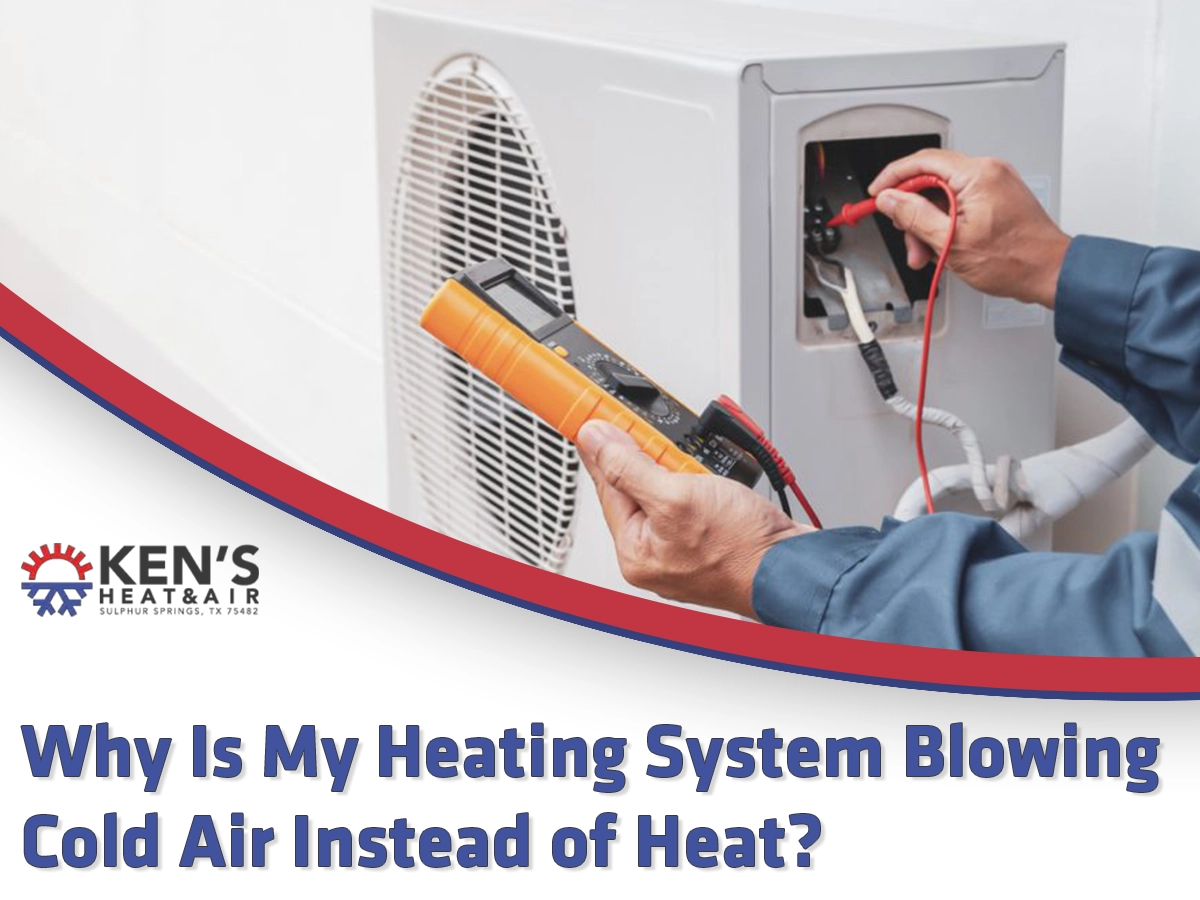
Even when your air conditioner turns on and appears to run normally, a failed electrical component can prevent it from cooling your home. Modern HVAC systems rely on several electrical parts working together. If one of them fails, the system may continue operating without producing cold air.
Some of the most common electrical issues include:
- A failed capacitor
- A worn contactor
- Loose electrical connections
- Damaged wiring
- A failing control board
Warning Signs of an Electrical Problem
- The outdoor unit will not start.
- The AC makes clicking or humming sounds.
- The breaker trips repeatedly.
- Cooling starts and stops unexpectedly.
- The system runs but never reaches the thermostat setting.
Because electrical components store high voltage, homeowners should avoid attempting repairs themselves. A trained HVAC technician has the proper equipment to safely diagnose and replace defective components.
If you notice repeated electrical issues, scheduling professional service early may prevent damage to more expensive parts, including the compressor.
7. A Failing Compressor Can Prevent Your House From Cooling
The compressor is often called the heart of your air conditioning system because it circulates refrigerant throughout the cooling cycle. When it begins to fail, the AC may continue running while delivering little or no cool air.
Fortunately, a compressor is not the first part technicians assume has failed. At Ken’s Heat and Air, every technician performs a complete diagnostic before recommending a compressor replacement. This approach helps homeowners avoid unnecessary expenses.
Signs Your Compressor May Be Failing
- Warm air from the vents
- Loud buzzing or grinding noises
- Outdoor unit struggles to start
- Circuit breaker trips repeatedly
- Reduced cooling despite continuous operation
Several other problems can mimic compressor failure, including a bad capacitor or low refrigerant. That is why professional testing is essential before replacing one of the most expensive HVAC components.
To learn more, read our guide on How Do I Know If My AC Compressor Is Bad?
8. A Clogged Condensate Drain Can Affect System Performance
Most homeowners never think about the condensate drain line until it becomes clogged.
As your air conditioner removes humidity from your home, water drains through a condensate line. Over time, algae, dirt, and debris can block the drain.
When that happens, your system may:
- Shut itself off for protection
- Leak water indoors
- Experience higher humidity
- Reduce cooling performance
- Trigger safety switches
Warning Signs of a Clogged Drain
- Water around the indoor unit
- Musty odors
- High indoor humidity
- Overflow from the drain pan
- Intermittent cooling
Routine maintenance helps keep the drain line clear while reducing the risk of unexpected breakdowns.
For additional information, homeowners can visit the Air Conditioning Contractors of America website, which provides valuable HVAC maintenance guidance.
External resource:
https://www.acca.org
Common Mistakes Homeowners Make
During our interview, one point became especially clear. Most cooling problems become more expensive because homeowners unintentionally make the situation worse before calling a professional.
Here are the most common mistakes our technicians encounter:
Continuing to Run the System
Many people assume the home simply needs more time to cool.
Instead, the AC may continue running for hours while placing additional strain on the compressor and other components.
Constantly Lowering the Thermostat
Setting the thermostat from 75 degrees to 65 degrees will not make the system cool faster.
Instead, it causes the air conditioner to run longer without solving the actual problem.
Forgetting Regular Filter Changes
A dirty air filter remains one of the easiest problems to prevent.
Replacing the filter regularly helps:
- Improve airflow
- Reduce energy bills
- Protect the evaporator coil
- Extend equipment life
Attempting DIY Repairs
Online videos can make HVAC repairs appear simple.
However, modern air conditioning systems require specialized tools to safely diagnose refrigerant pressures, electrical components, airflow, and compressor performance.
Attempting repairs without proper training may lead to:
- Higher repair costs
- Additional component damage
- Electrical hazards
- Refrigerant safety concerns
Waiting Too Long
Perhaps the biggest mistake is ignoring the warning signs.
A small airflow issue today could become a frozen coil or compressor problem tomorrow.
Early diagnosis often results in simpler and less expensive repairs.
A Real Service Example From Ken’s Heat and Air
One homeowner contacted Ken’s Heat and Air after noticing that the air conditioner had been running almost continuously for two days. Although the thermostat remained set correctly, the home never reached the desired temperature.
When our technician arrived, the first inspection revealed an extremely dirty air filter that had severely restricted airflow.
Rather than replacing only the filter and leaving, the technician followed our standard diagnostic process.
The complete inspection included:
- Airflow testing
- Refrigerant pressure checks
- Evaporator coil inspection
- Condenser evaluation
- Electrical component testing
- Thermostat verification
- Drain line inspection
- Blower performance testing
Fortunately, no additional problems were found. After replacing the filter, cleaning the system, and verifying proper operation, the air conditioner returned to normal cooling performance.
This example illustrates an important lesson. While a dirty air filter may be the initial problem, performing a full diagnostic ensures that hidden issues are not overlooked.
Repair or Replace? How to Make the Right Decision
Many homeowners immediately worry that a cooling problem means they need a completely new air conditioner.
Fortunately, that is often not the case.
At Ken’s Heat and Air, we recommend replacement only when it truly makes financial and practical sense.
Repair Is Often the Better Choice When
- The system is relatively new.
- Repairs are minor.
- Cooling performance returns after service.
- Maintenance has been performed regularly.
- Major components remain in good condition.
Replacement May Be Worth Considering When
- The system is over 15 to 20 years old.
- Repairs become frequent.
- Energy bills continue increasing.
- Major components have failed.
- Repair costs approach replacement costs.
If you’re considering replacement, our articles on How Do You Know When It’s Time to Replace Your AC? and How Much Does an AC Cost? can help you understand your options before making a decision.
How Professional AC Diagnostics Save Money
One of the biggest advantages of professional diagnostics is accuracy.
Instead of replacing parts based on assumptions, trained technicians use specialized equipment to identify the exact cause of the problem.
A complete diagnostic from Ken’s Heat and Air typically evaluates:
- Airflow throughout the system
- Refrigerant levels and pressures
- Electrical performance
- Thermostat communication
- Blower motor operation
- Condenser performance
- Evaporator condition
- Drainage system
- Compressor operation
This thorough approach reduces guesswork and helps homeowners invest in the right repair the first time.
How to Help Prevent Your Air Conditioner From Running Without Cooling
The best way to avoid unexpected cooling problems is through regular preventive maintenance. Many of the issues discussed in this guide develop gradually over time. By scheduling routine inspections, homeowners can identify small concerns before they become expensive repairs.
Here are several simple habits that can help keep your air conditioning system operating efficiently.
Replace Your Air Filter Regularly
A clean air filter allows your HVAC system to move air properly throughout your home.
Depending on your home, pets, and indoor air quality, most filters should be checked every one to three months.
Benefits include:
- Better airflow
- Lower energy bills
- Improved indoor air quality
- Reduced strain on the blower motor
- Longer equipment life
Keep the Outdoor Unit Clean
Your outdoor condenser needs plenty of airflow to release heat effectively.
Make sure to:
- Remove leaves and grass clippings.
- Trim shrubs within two feet of the unit.
- Keep debris away from the condenser.
- Inspect the unit after severe storms.
A clean condenser helps improve cooling performance while reducing wear on the compressor.
Schedule Annual Professional Maintenance
Even if your air conditioner appears to be working properly, an annual inspection can uncover hidden problems before they affect your comfort.
A professional maintenance visit typically includes:
- Refrigerant inspection
- Electrical safety testing
- Thermostat calibration
- Coil inspection
- Drain line cleaning
- Airflow evaluation
- Blower motor inspection
- Overall system performance testing
Learn more about protecting your system with our Regular HVAC Maintenance Sulphur Springs and Ultimate HVAC and Air Conditioner Maintenance Guide resources.
When Should You Call an HVAC Professional Immediately?
Some cooling problems should never be ignored. Continuing to operate the system may increase repair costs or lead to complete equipment failure.
Contact a qualified HVAC technician if you notice any of the following:
- Your air conditioner runs continuously but never cools the house.
- Warm air blows from the supply vents.
- Ice forms on the indoor or outdoor unit.
- Burning odors or unusual noises develop.
- The circuit breaker trips repeatedly.
- Water leaks around the indoor unit.
- Your thermostat is correctly set, but indoor temperatures continue to rise.
Prompt service often prevents minor issues from becoming major repairs.
Why Homeowners Trust Ken’s Heat and Air
When your air conditioner stops cooling, you need more than a quick fix. You need an experienced team that takes the time to diagnose the entire system correctly.
At Ken’s Heat and Air, every service call begins with a thorough inspection rather than assumptions. Our technicians believe in identifying the root cause of the problem before recommending any repair or replacement.
Homeowners choose Ken’s Heat and Air because we provide:
- Honest recommendations without unnecessary upselling.
- Comprehensive AC diagnostics.
- Experienced and knowledgeable technicians.
- Fast and dependable service.
- Fair and transparent pricing.
- Repair focused solutions whenever practical.
- Friendly customer education throughout the repair process.
Whether the issue is a dirty air filter, low refrigerant, a failing electrical component, or a more complex mechanical problem, our goal is to restore your comfort efficiently and professionally.
Frequently Asked Questions
Why is my air conditioner running but not cooling my house?
Several issues can cause this problem, including a dirty air filter, restricted airflow, low refrigerant, frozen evaporator coils, thermostat malfunctions, electrical failures, or compressor problems. While homeowners can inspect basic items like the air filter and thermostat, a professional diagnostic is often necessary to identify the exact cause because multiple issues can occur simultaneously.
Can a dirty air filter really stop my AC from cooling?
Yes. A severely clogged air filter restricts airflow across the evaporator coil. As airflow decreases, the coil may begin freezing, reducing the system’s ability to absorb heat. This often causes the air conditioner to run continuously while producing very little cool air. Replacing the filter is an important first step, but a complete inspection helps ensure no additional damage has occurred.
Should I keep running my AC if it is not cooling?
No. If your air conditioner continues running without cooling your home, it is best to limit operation until the problem is diagnosed. Running the system under these conditions can increase wear on major components such as the compressor and blower motor, potentially leading to more expensive repairs.
How do I know if low refrigerant is causing the problem?
Common signs include warm air from the vents, ice forming on the evaporator coil, longer cooling cycles, and poor humidity removal. Refrigerant does not normally decrease over time, so low refrigerant usually indicates a leak that should be repaired by a licensed HVAC professional.
How often should I have my HVAC system serviced?
Most manufacturers and HVAC professionals recommend professional maintenance at least once each year. Regular inspections improve efficiency, help prevent unexpected breakdowns, extend equipment life, and identify small problems before they become costly repairs.
Is it better to repair or replace my air conditioner?
That depends on the age of the equipment, the condition of major components, repair costs, and overall efficiency. Many cooling problems are repairable, especially when diagnosed early. Replacement is generally recommended only when repairs become frequent or the cost of repairing an older system approaches the cost of installing a new one.
Conclusion
If your air conditioner is running but not cooling, do not assume the worst. In many cases, the issue can be traced to a dirty air filter, restricted airflow, thermostat settings, low refrigerant, dirty coils, or another repairable problem. Addressing these issues promptly helps restore comfort, improve energy efficiency, and protect your HVAC system from unnecessary damage.
One of the most important lessons homeowners can take away is that guessing rarely solves HVAC problems. A thorough diagnostic performed by an experienced technician provides the most accurate and cost-effective solution. Rather than replacing parts unnecessarily, a complete inspection identifies the true source of the problem and ensures your air conditioning system operates safely and efficiently.
At Ken’s Heat and Air, we are committed to providing honest recommendations, comprehensive diagnostics, and dependable service that homeowners throughout East Texas can trust. Whether your system needs a simple repair or a more extensive solution, our experienced team is ready to help you stay comfortable all year long.
Contact Ken’s Heat and Air
If your air conditioner is running but not cooling your house, don’t wait until the problem gets worse. Contact the experienced team at Ken’s Heat and Air for professional diagnostics, reliable repairs, and honest recommendations.
Phone: 903-383-2227
Location: 9362 Texas Highway 154 S, Sulphur Springs, TX
Website: www.kensheatandair.com
Email: info@kensheatandair.com
Schedule your service today and let our experienced technicians restore comfort to your home with professional HVAC solutions you can trust.