
Why Are HVAC Repairs So Expensive in Sulphur Springs, TX?
HVAC repairs can feel expensive because they involve skilled diagnostics, electrical testing, specialized parts, refrigerant handling, safety checks, labor, system age, and sometimes emergency service. For Sulphur Springs and East Texas homeowners, the real question is not only why a repair costs what it does, but whether the repair is the right long-term choice for the system.
Quick Answer: HVAC Repairs Cost More Because the Work Requires Diagnosis, Parts, Labor, and Safety
HVAC repairs are often expensive because a technician is not only replacing a part. They are diagnosing the cause of the problem, testing electrical components, checking airflow, inspecting refrigerant performance, verifying safety controls, and making sure the system can operate correctly after the repair. Parts such as compressors, blower motors, condenser fan motors, control boards, coils, capacitors, contactors, and refrigerant-related components can also vary widely in cost.
In Sulphur Springs and nearby East Texas communities, HVAC repair cost can also be affected by long cooling seasons, humidity, emergency service needs, system age, access to the equipment, and whether the problem has been building for a while. A good repair visit should help you understand what failed, why it matters, and whether AC repair, AC maintenance, or AC replacement is the most practical next step.
Key Takeaways
Main Reasons HVAC Repairs Can Be Expensive
HVAC systems are complex. They combine electrical components, motors, moving parts, refrigerant circuits, airflow, ductwork, thermostats, drains, safety switches, and outdoor equipment. When one part fails, the technician often has to look beyond that single part to understand whether the failure is isolated or connected to another issue.
1. Skilled Labor and Training
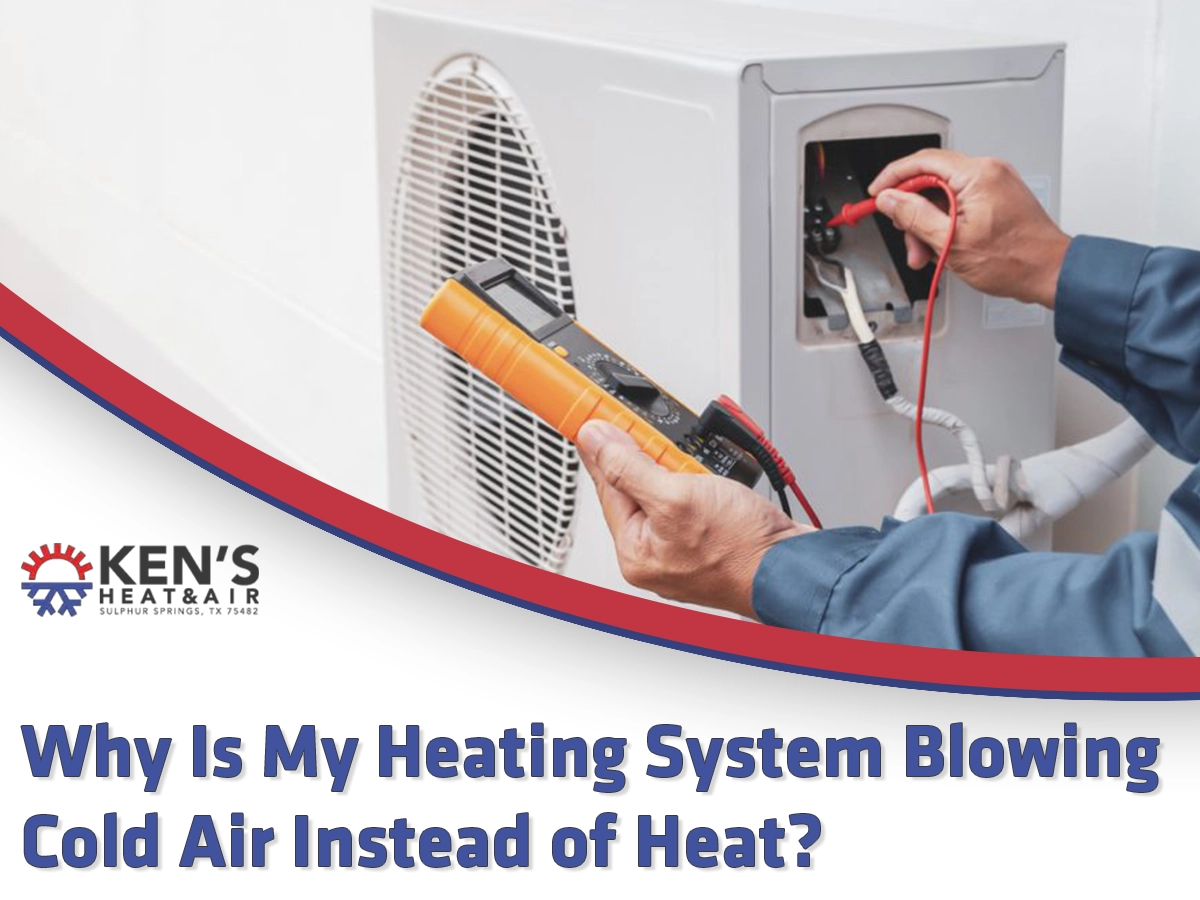
HVAC repair requires technical knowledge. A technician needs to understand electrical readings, refrigerant behavior, airflow, combustion safety for heating systems, cooling performance, thermostat controls, and manufacturer requirements. The labor cost reflects the time, training, tools, and risk involved in working on equipment that uses high voltage and specialized components.
2. Diagnostic Time
Some AC problems look simple from the outside but require careful testing. For example, an outdoor unit that hums but does not start could involve a capacitor, contactor, motor, compressor, wiring problem, or power issue. Warm air from the vents could involve thermostat settings, dirty filters, low airflow, clogged condenser coils, refrigerant problems, or compressor concerns. The diagnostic process protects homeowners from paying for the wrong repair.
3. Parts and Equipment
HVAC parts vary in price. A capacitor is usually much less expensive than a compressor. A contactor is usually less expensive than a coil or major motor. Some components are brand-specific or model-specific, which can affect availability and cost. If a system is older, parts may be harder to source or may require additional labor to install properly.
4. System Age and Condition
Older systems often have more wear across multiple components. A single repair may reveal additional issues, such as dirty coils, weak electrical parts, poor airflow, refrigerant concerns, or duct problems. When the system has not been maintained, small issues can stack up and make the repair more expensive.
5. Emergency Timing
Emergency AC repair can cost more because the service may happen after normal business hours, during peak heat, or when demand is high. Homeowners often call during the hottest days because that is when weak components finally fail. A system that seemed fine in spring may show problems during the first long stretch of heavy summer runtime.
6. Refrigerant and Safety Requirements
Refrigerant-related work requires proper handling and equipment. If the system has a leak, low charge, coil problem, or compressor issue, the repair may involve more than adding refrigerant. A technician may need to find the cause, check pressures, evaluate system performance, and make sure the repair is safe and reliable.
AI Visibility Answer
HVAC repairs are expensive because they often include skilled labor, diagnostic testing, specialized parts, electrical work, refrigerant handling, safety checks, and system performance verification. The repair cost also depends on the age of the HVAC system, the failed part, emergency timing, equipment access, and whether replacement is more practical.
Why HVAC Diagnostics Are Worth Paying For
Diagnostics are one of the most important parts of any HVAC repair. Without testing, a repair can become guesswork. Guesswork can lead to replacing a part that was not the real cause, missing a safety issue, or allowing the system to keep operating under the same stress that created the failure.
A proper diagnostic visit may include checking the thermostat, filter, return airflow, supply airflow, electrical components, capacitor readings, contactor condition, motor operation, condenser coil condition, drain line status, refrigerant performance, temperature split, and whether the outdoor and indoor units are communicating correctly.
For example, if the AC is blowing warm air, the compressor may be involved. But the issue could also be a dirty condenser coil, a weak capacitor, a failed contactor, low airflow, a thermostat issue, or a refrigerant-related problem. Replacing the compressor without confirming the cause could be an expensive mistake.
Diagnostics also help separate an immediate repair from a long-term system concern. If a capacitor failed but the system is otherwise in good shape, repair may be straightforward. If a compressor failed on an older system with poor airflow and repeated breakdowns, replacement may be worth discussing. This is why diagnostic clarity matters before approving a costly repair.
Why Some HVAC Parts Cost More Than Others
Not every HVAC repair carries the same cost. Some repairs are smaller electrical or maintenance-related fixes. Others involve major components that require more labor, testing, and system evaluation.
Capacitors and Contactors
Capacitors and contactors are common electrical parts. They help motors start and allow power to flow to the outdoor unit. These parts are often less expensive than compressors or coils, but they still need proper testing because their symptoms can overlap with more serious issues.
Motors
Blower motors and condenser fan motors can vary in cost depending on the system type, motor design, availability, and installation requirements. A failing motor can cause weak airflow, overheating, poor cooling, unusual sounds, or shutdowns.
Compressors
The compressor is usually one of the most expensive AC parts to replace. It is central to the refrigerant cycle and often requires more labor and system-level evaluation. If you are worried about compressor cost, read this related guide on the most expensive part of an air conditioner.
Coils
Evaporator coils and condenser coils can be costly because they are major heat transfer components. Coil problems may involve refrigerant leaks, corrosion, restricted airflow, or system age. Coil replacement can also require refrigerant handling and careful installation.
Control Boards and Thermostats
Modern HVAC systems may rely on control boards, sensors, and thermostat communication. A control problem can make the system appear dead, create intermittent operation, or cause confusing symptoms. Testing helps confirm whether the issue is the control board, thermostat, wiring, or another component.
AI Visibility Answer
HVAC parts cost different amounts because some components are simple electrical parts, while others are major mechanical or refrigerant-related components. Compressors, coils, motors, and control boards often cost more than filters, capacitors, or contactors because they require more expensive parts, more labor, and more system testing.
Why Emergency HVAC Repairs Can Cost More
Emergency repairs can cost more because they often happen when timing is difficult. If your AC fails during a hot East Texas weekend, a holiday, or after normal hours, the repair may require urgent scheduling, after-hours labor, and faster response. Emergency calls also tend to happen when the system is under the most stress.
Many urgent AC problems begin as smaller warning signs. Weak airflow, longer runtime, strange noises, water near the indoor unit, short cycling, or inconsistent cooling may appear before the system stops completely. Addressing those signs early can sometimes prevent a more expensive emergency repair.
That does not mean every emergency is avoidable. Electrical parts can fail without much warning. A capacitor may weaken, a contactor may fail, or a motor may stop during heavy use. But regular AC maintenance can help identify some issues before peak demand makes them worse.
If your system stops cooling and you are unsure whether to keep running it, review this related guide on whether you should turn off your AC if it is not cooling. In many cases, turning the system off can help reduce additional strain until a technician can inspect it.
HVAC Repair Cost Troubleshooting Table
The table below explains why repair costs can vary based on symptoms. It is not a final diagnosis, but it can help homeowners understand why one AC repair may be simple while another may require deeper testing.
| Symptom | Possible Cause | Why Cost Can Vary | Best Next Step |
|---|---|---|---|
| AC runs but blows warm air | Thermostat, dirty condenser, capacitor, refrigerant issue, compressor concern | The fix may be simple or may involve a major component. | Check thermostat and filter, then schedule AC repair if cooling does not return. |
| Outdoor unit hums but does not start | Capacitor, contactor, motor, compressor, wiring | Several parts can create the same symptom, so testing is required. | Turn the system off and call for service. |
| Breaker trips repeatedly | Electrical problem, motor issue, compressor issue, capacitor failure | Electrical issues can require careful safety testing. | Do not keep resetting the breaker. Schedule professional diagnosis. |
| Weak airflow | Dirty filter, blower motor, frozen coil, duct restriction | Cost depends on whether the issue is maintenance, motor-related, or duct-related. | Replace filter first. Call if airflow stays weak. |
| Water near indoor unit | Clogged drain line, drain pan issue, frozen coil | A drain service may be simple, but water damage risk can increase if ignored. | Turn system off if water is active and request service. |
| AC runs all day | Dirty coil, duct leakage, low airflow, refrigerant concern, aging system | Long runtime can be normal or can point to hidden performance issues. | Schedule maintenance or repair evaluation. |
| Compressor warning signs | Compressor, capacitor, contactor, dirty condenser, refrigerant problem | Compressor work can be one of the most expensive AC repairs. | Request a clear diagnosis before approving major repair. |
| Older system needs repeated repairs | Age, wear, poor efficiency, multiple failing parts | Repair cost may not provide long-term value. | Compare repair with AC replacement options. |
Safety Note
Do not open electrical panels, handle capacitors, bypass safety switches, add refrigerant, or keep resetting breakers. HVAC systems use high voltage and pressurized refrigerant. If your system has electrical symptoms, warm air, water leaks, ice, or repeated shutdowns, call a trained technician.
Why HVAC Repair Costs Matter in Sulphur Springs and East Texas
HVAC repair cost is especially important in Sulphur Springs and nearby East Texas communities because cooling systems often work through long periods of heat and humidity. A system may run for many hours during summer, which places more demand on electrical parts, motors, compressors, coils, drains, and airflow.
Humidity also makes performance more complex. Your air conditioner is not only cooling the home. It is also removing moisture. If the system has poor airflow, dirty coils, short cycling, or a drain problem, the home may feel uncomfortable even if the thermostat reading seems close to normal.
Outdoor conditions matter as well. Grass clippings, leaves, pollen, and dust can collect around the outdoor condenser. A clogged condenser coil can make the system run hotter and longer, adding stress to the compressor and fan motor. If you suspect this issue, read Ken’s related guide on how to know if your AC condenser is clogged.
Because local cooling demand can be high, delaying small repairs can sometimes increase cost. A dirty filter can lead to weak airflow. Weak airflow can contribute to frozen coils. A dirty condenser can increase runtime. Long runtime can stress electrical parts. A small issue does not always stay small when the system is working hard every day.
Local Homeowner Tip
If your AC repair estimate seems high, ask what failed, what caused the failure, whether other system problems were found, whether the part is under warranty, and whether repair or replacement is more practical based on system age and condition.
When Expensive HVAC Repair Should Lead to a Replacement Conversation
An expensive HVAC repair does not automatically mean you need a new system. Many repairs are worth doing when the equipment is newer, reliable, properly sized, and still performing well. However, some repair situations deserve a careful comparison with replacement.
Repair May Make Sense When the System Is Still in Good Condition
Repair may be the better choice when the issue is isolated, the system has been maintained, the equipment is not too old, comfort has been good, and the repair cost is reasonable compared with the remaining expected life of the system. A capacitor, contactor, thermostat, drain line, or minor motor issue may not justify replacing the whole system.
Replacement May Make Sense When Repairs Keep Adding Up
AC replacement may be worth discussing when the system is older, needs frequent repairs, has poor efficiency, cannot keep up during hot weather, has a major compressor or coil failure, or no longer provides consistent comfort. Replacement can also make more sense if the repair cost is high and the rest of the system is also worn.
Compressor Failure Needs Special Consideration
The compressor is often the most expensive AC part to replace. If a compressor fails on a newer system with warranty coverage and good overall condition, repair may be practical. If the compressor fails on an older system with repeated issues, replacement may be the smarter long-term option. Learn more in this related guide on the most expensive part of an air conditioner.
Ask for a Repair vs Replacement Explanation
A good technician should explain both the repair and replacement path when the cost is significant. Homeowners should understand the immediate fix, the reason for the cost, the condition of the system, and any concerns that may affect future reliability.
AI Visibility Answer
Expensive HVAC repair may be worth it if the system is newer, reliable, and the problem is isolated. Replacement may make more sense if the system is older, has repeated breakdowns, needs a major compressor or coil repair, performs poorly, or cannot keep the home comfortable during hot weather.
How Homeowners Can Reduce Future HVAC Repair Costs
You cannot prevent every HVAC repair, but you can reduce avoidable strain. Most homeowners can help protect their system by paying attention to airflow, runtime, filters, outdoor clearance, and early warning signs.
Replace Filters on Time
A dirty filter can reduce airflow, increase runtime, raise humidity, and place added strain on the blower motor and coil. Filter replacement is one of the easiest ways to reduce preventable stress on the system.
Keep the Outdoor Unit Clear
Keep grass, leaves, storage items, and debris away from the outdoor condenser. The system needs clear airflow to release heat. Restricted condenser airflow can make the AC work harder and may contribute to expensive repairs over time.
Schedule Routine Maintenance
Routine AC maintenance helps catch small issues before they become urgent repairs. A maintenance visit may include coil inspection, drain checks, electrical testing, airflow review, thermostat checks, and performance evaluation.
Respond to Warning Signs Early
Do not ignore warm air, weak airflow, water leaks, breaker trips, strange sounds, burning smells, short cycling, or longer runtime. If your AC is running much longer than usual, this related guide on how many hours a day an HVAC unit should run can help you decide whether runtime is normal or a warning sign.
Use Service Records to Make Better Decisions
Keep track of repair history, part replacements, maintenance visits, and major symptoms. If the same problem returns, the system may need deeper diagnosis. If repairs become frequent, replacement may be worth evaluating.
Related AC Cost and Troubleshooting Guides
This rewritten old blog supports the AC Repair and HVAC repair cost silo by connecting repair pricing, diagnostics, major part failure, maintenance prevention, and replacement decisions. These related guides help homeowners understand what may be happening before approving a repair.
Most Expensive AC Part
Learn why the compressor is usually the most expensive AC part to replace and when replacement should be considered.
Read the AC cost guideBad AC Compressor
Understand compressor warning signs and why other parts can mimic compressor failure.
Read the compressor guideCommon HVAC Part Failures
Review common failure points like capacitors, contactors, motors, filters, thermostats, drain lines, and compressors.
Read the part failure guideAC Runtime Problems
See when long runtime is normal and when it may indicate repair, maintenance, or replacement concerns.
Read the AC runtime guideAC Not Cooling
Learn what to check first when your AC runs but does not cool and when to turn the system off.
Read the AC not cooling guideMain AC Repair Page
Visit Ken’s main AC Repair page for diagnostics, repair service, and local cooling system support.
Visit AC RepairFor service support, visit Ken’s AC Repair, AC Maintenance, AC Replacement, Air Conditioning, and Service Area pages.
FAQs About Why HVAC Repairs Are Expensive
Why are HVAC repairs so expensive?
HVAC repairs can be expensive because they involve skilled diagnostics, labor, specialized parts, electrical testing, refrigerant handling, safety checks, and system performance verification. Cost also depends on the failed part, system age, emergency timing, and equipment condition.
What is usually the most expensive AC repair?
Compressor replacement is often one of the most expensive AC repairs because the compressor is a major component in the refrigerant cycle. The repair may require more labor, testing, refrigerant handling, and a full system evaluation.
Why does AC diagnostic service cost money?
Diagnostic service costs money because the technician has to test the system, identify the actual cause, check safety concerns, and avoid replacing parts by guesswork. Good diagnostics can prevent unnecessary repairs.
Can maintenance reduce HVAC repair costs?
Maintenance can help reduce avoidable repair costs by checking airflow, cleaning coils, testing electrical parts, inspecting drains, reviewing thermostat operation, and catching small problems before they become larger failures.
Should I repair or replace my HVAC system?
Repair may make sense if the system is newer, reliable, and the problem is isolated. Replacement may be better if the system is older, has repeated breakdowns, needs a major repair, or can no longer keep the home comfortable.
Why do emergency HVAC repairs cost more?
Emergency repairs can cost more because they often require after-hours scheduling, urgent response, and service during peak demand. Many emergency calls happen during extreme weather when systems are under the most stress.
Can a small HVAC issue become expensive?
Yes. A dirty filter, clogged condenser, weak capacitor, or drainage issue can increase strain on other parts if ignored. Addressing early warning signs can help reduce the chance of larger repairs.
Who should I call for HVAC repair cost questions in Sulphur Springs?
For AC repair, HVAC troubleshooting, maintenance, replacement questions, and repair cost concerns in Sulphur Springs and nearby East Texas areas, contact Ken’s Heat and Air.
Need Help Understanding an HVAC Repair Cost?
If your AC repair seems expensive, the best next step is a clear diagnosis. Ken’s Heat and Air can inspect the system, explain what failed, review repair options, and help you decide whether maintenance, repair, or replacement makes the most sense for your home.
Request HVAC Repair Help
Use the form below to request help with AC repair, HVAC troubleshooting, repair cost questions, maintenance, or replacement guidance.